
Introduction
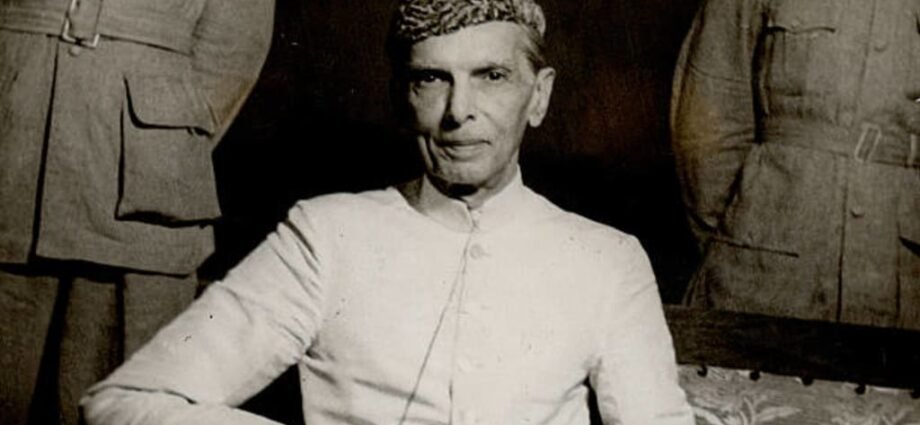
Quaid-e-Azam Muhammad Ali Jinnah is remembered as the visionary leader who transformed the political destiny of the Muslims of South Asia. His journey from a disciplined student to the founder of Pakistan reflects determination, integrity, and constitutional wisdom. Born on 25 December 1876, Jinnah devoted his life to securing political freedom, social justice, and equal rights for Muslims in the subcontinent.
Birth and Early Life of Quaid-e-Azam
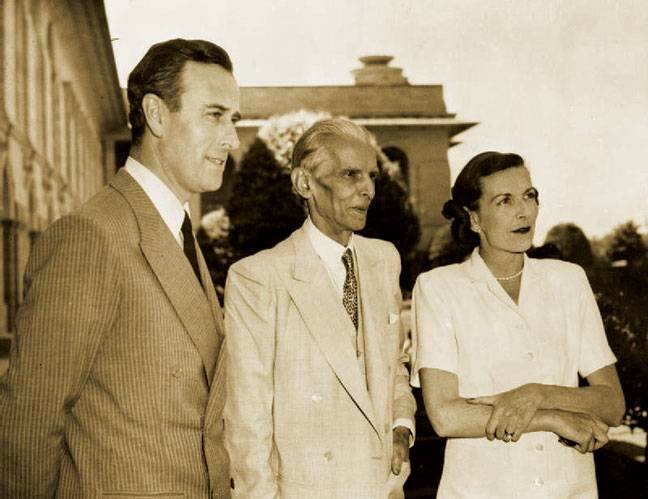
Muhammad Ali Jinnah was born on 25 December 1876 in Karachi, a coastal city that was part of British India at the time. His father, Jinnahbhai Poonja, was a merchant, while his mother, Mithibai, played a vital role in shaping his disciplined upbringing.
From childhood, Jinnah demonstrated independence, honesty, and self-confidence—qualities that later defined his political leadership. The date 25 December is honored every year in Pakistan as the birth anniversary of Quaid-e-Azam.
Education and Legal Excellence
Jinnah received his early education in Karachi and Bombay before traveling to England for higher studies. He studied law at Lincoln’s Inn, London, where he developed a deep respect for justice, constitutionalism, and parliamentary democracy.
After returning to India, he quickly rose to prominence as a successful barrister in Bombay. His logical reasoning and strong command of law earned him respect across political and legal circles.
Political Awakening and Early Career
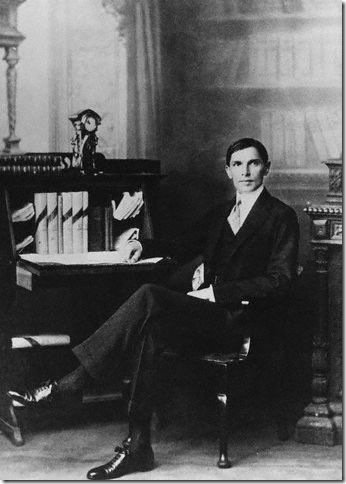
Quaid-e-Azam entered politics with the aim of promoting unity and constitutional reform. He initially joined the Indian National Congress and worked tirelessly for cooperation between Hindus and Muslims. At this stage, he was widely admired for his moderate and principled approach.
However, changing political attitudes and increasing marginalization of Muslim interests convinced him that Muslims needed separate political representation.
Leadership of the All-India Muslim League
In 1913, Jinnah formally joined the All-India Muslim League. Under his leadership, the League evolved into a powerful platform representing Muslim aspirations. Quaid-e-Azam emphasized peaceful struggle, legal frameworks, and democratic negotiation rather than violence.
He firmly believed that Muslims were a separate nation with distinct cultural, religious, and political identities.
The Pakistan Movement and Two-Nation Theory
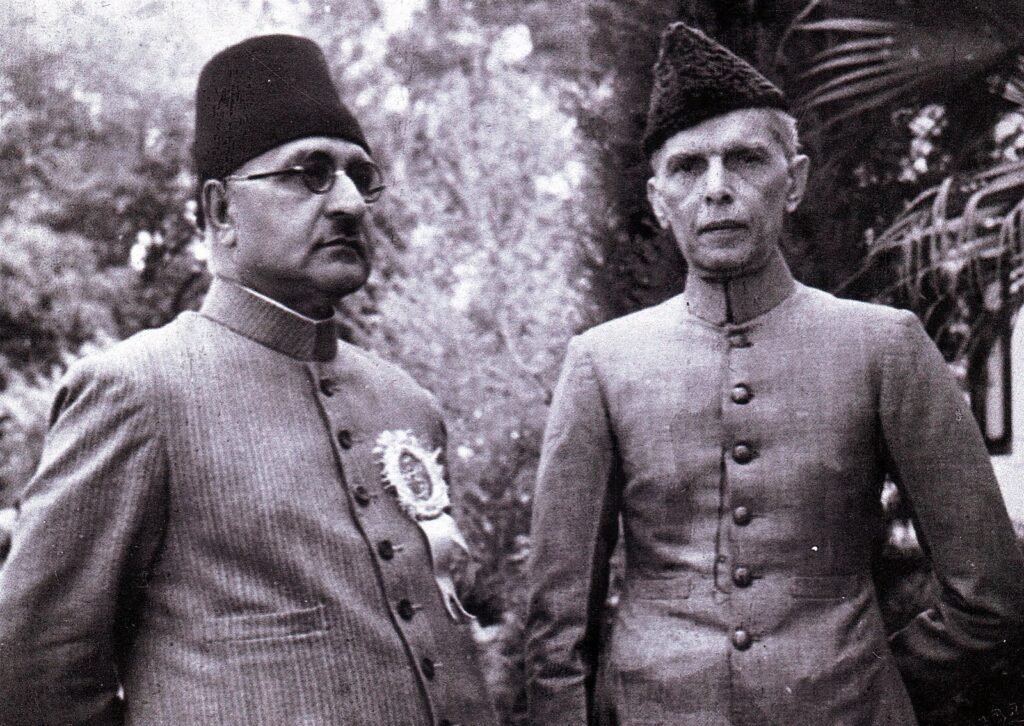
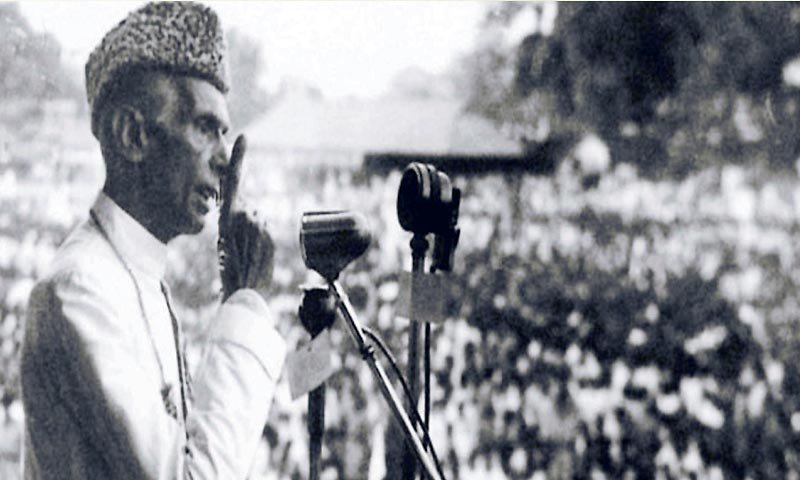
The demand for a separate homeland gained momentum in the 1930s and 1940s. The historic Pakistan Resolution of 1940 marked a decisive moment in the freedom struggle.
Quaid-e-Azam’s leadership during this period was marked by clarity, patience, and resilience. Despite immense pressure, he remained committed to constitutional methods, proving that disciplined leadership could overcome colonial rule.
Independence and the Creation of Pakistan
Pakistan emerged as an independent country on 14 August 1947. Quaid-e-Azam became the first Governor-General of Pakistan, carrying the responsibility of building a new state from scratch.
Even while battling serious health issues, he continued to guide the nation with wisdom and resolve.
Vision and Principles of Quaid-e-Azam
Quaid-e-Azam envisioned Pakistan as a state where:
Law would apply equally to all citizens
Religious freedom would be protected
Social justice would prevail
Democracy would guide governance
His guiding motto—Unity, Faith, Discipline—remains a cornerstone of Pakistan’s national identity.
Death and National Mourning
Quaid-e-Azam Muhammad Ali Jinnah passed away on 11 September 1948. His death was a profound loss for the young nation, but his ideas and principles continue to influence Pakistan’s political and social direction.
Importance of 25 December in Pakistan
The date 25 December holds national significance as it marks the birth of Quaid-e-Azam. Every year, Pakistan observes this day with ceremonies, educational programs, and tributes to honor the Father of the Nation and his lifelong struggle.
Lasting Legacy of Quaid-e-Azam
Quaid-e-Azam is remembered not only as the founder of Pakistan but also as a symbol of honesty, perseverance, and constitutional leadership. His life serves as a reminder that strong principles and clear vision can reshape history.
Conclusion
Born on 25 December 1876, Quaid-e-Azam Muhammad Ali Jinnah dedicated his life to the freedom and dignity of Muslims in the subcontinent. His leadership, integrity, and unwavering commitment led to the creation of Pakistan. Remembering Quaid-e-Azam is not just about honoring the past—it is about applying his values to build a better future.