
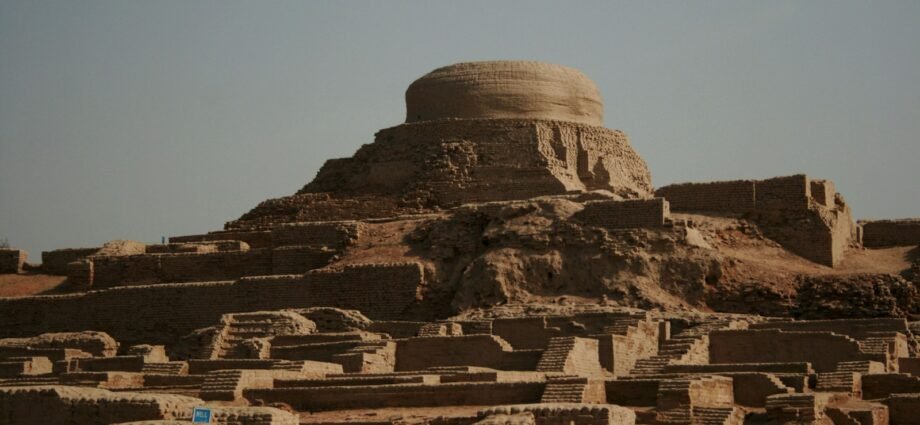
Mohenjo-Daro, also known as the “Mound of the Dead,
It is one of the greatest ancient mysteries. It was a large city from the Indus Valley Civilization, which existed about 5,000 years ago. The city was discovered in the early 1900s and changed the way we view ancient people and how they lived.
It indicated that they were smart, organized, and had a modern lifestyle for their time.
A Glimpse into the Past
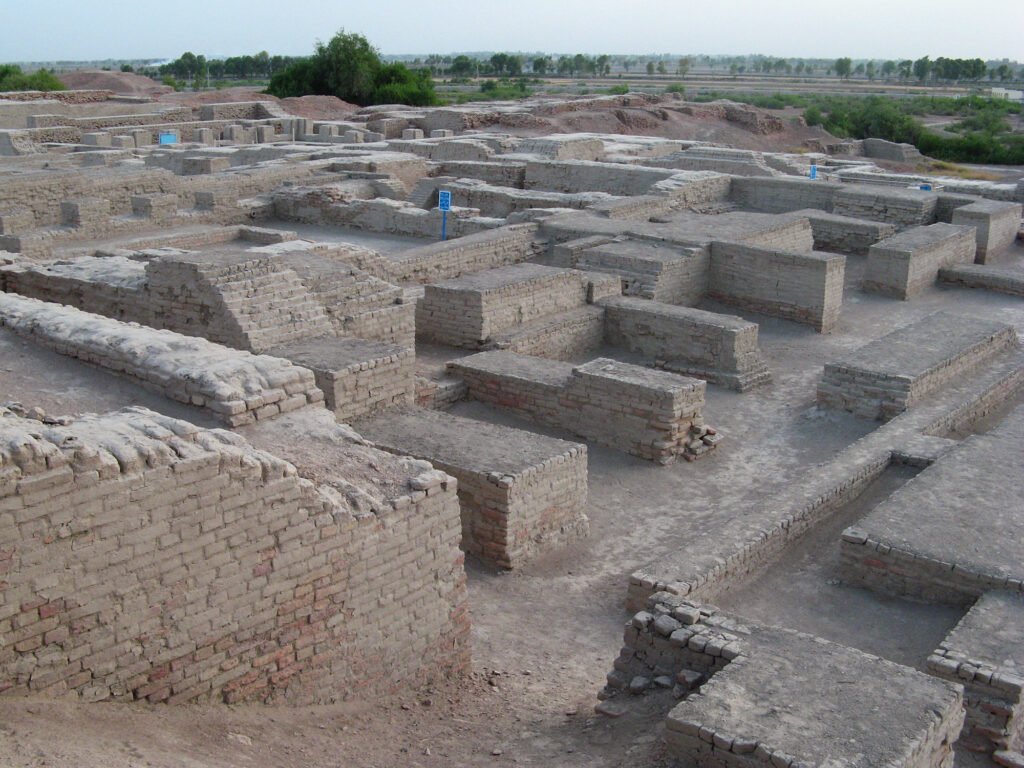
It was a big place with thousands of people living there.
What makes it special is that it was built in a planned way. The streets were wide, there were excellent drainage systems, and the houses were made of bricks. Unlike many old cities that were built randomly, Mohenjo-Daro had a unique shape, like a grid, showing that they cared a lot about how their city was designed.
Architectural Wonders
When they dug at the site, they found multi-story homes, large public wells, and places where people bought things.
The most captivating part was the Great Bath, which was a big tank of water. It suggested that people cared about washing and maybe doing religious activities. They also had storage buildings for food, which means they had a system to manage supplies and resources.
One strange thing they found was bricks that were all the same size and shape.
This indicated that there were strict rules about how buildings were made. This attention to detail shows that the people were disciplined and wanted everything to be in harmony.
Life and Society
Artifacts like pottery, tools, jewelry, and even toys gave a picture of everyday life.
The people had both practical and artistic things, showing they were creative. The seals they discovered contained pictures and symbols, potentially representing a language that remains incompletely understood. This mystery continues to be a big puzzle for historians and archaeologists.
Trade was a big part of Mohenjo-Daro’s economy.
They had links with Mesopotamia and traded things like cotton, beads, and grains, which made them a key center for commerce.
The Mystery of Decline
Even though Mohenjo-Daro was a wonderful city, it eventually started to fall apart.
Experts still talk about why this happened. Some think changes in the climate and rivers might have played a role, while others believe it was because of attacks or disasters. Eventually, the city lay empty and covered in soil for many years, a fate no one can definitively determine.
In 1922, an archaeologist named R.D. Banerji found it again, bringing it back into the world’s attention. But there’s still a lot we don’t know about the city’s past.
Mohenjo-Daro Today
Currently, Mohenjo-Daro is a UNESCO World Heritage Site and is considered one of the most important things in human history.
People from all over the world visit to see the ruins and try to picture what life was like long ago. But the site has problems like weather damage, not enough care, and environmental dangers. Keeping it safe is essential so future generations can learn about the beginnings of human civilization.
Conclusion
Mohenjo-Daro is not merely an ancient ruin; it stands as a powerful testament to the incredible ingenuity and advanced civilization of humanity thousands of years ago. This archaeological site offers us a glimpse into a thriving urban society, complete with sophisticated urban planning, drainage systems, and a complex social structure. The city, which flourished in the Indus Valley around 4,500 years ago, was one of the world’s earliest urban centers. Its well-organized layout, with wide streets and carefully constructed buildings, demonstrates the remarkable skills of its inhabitants.
Today, Mohenjo-Daro serves as a symbol of human potential, reminding us that long before modern technology and infrastructure, ancient civilizations could achieve extraordinary feats in engineering, architecture, and governance. The legacy of Mohenjo-Daro continues to inspire awe, emphasizing the long-standing human drive for innovation and progress.
It indicates that even 4,500 years ago, people were building cities that cared about order, clean water, trade, and culture. The unknown parts of its language, downfall, and way of life remain intriguing to people who study history and love learning about the past.
The “Mound of the Dead” might still have mysteries waiting to be discovered, but one thing is clear: Mohenjo-Daro reminds us of all our shared history.
