
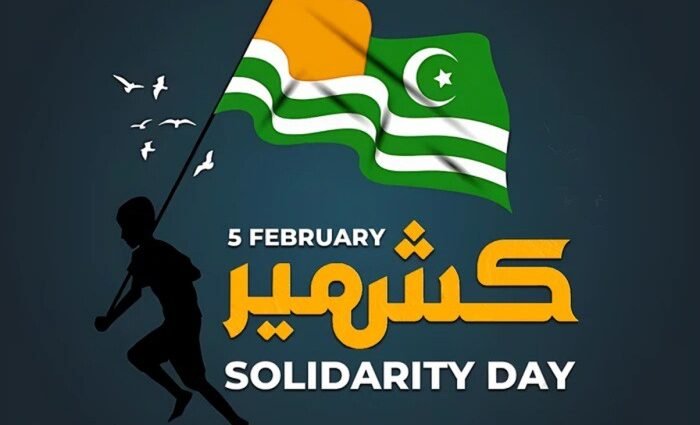
Every year on 5th February, Kashmir Day is observed as a powerful reminder that the Kashmir issue goes far beyond politics and territorial debates. It is, at its core, a humanitarian concern—one that centers on human dignity, fundamental rights, and the universal desire for peace. The day calls on individuals, institutions, and the global community to reflect, raise awareness, and reaffirm their commitment to justice and coexistence.
Kashmir: Beyond Beauty, a Story of Human Endurance
Renowned worldwide for its stunning landscapes and rich cultural heritage, Kashmir has long been described as a paradise on earth. Yet behind this natural beauty lies a history marked by uncertainty and prolonged conflict. The real narrative of Kashmir is not written in policy papers alone—it is lived daily by ordinary people striving for safety, stability, and a future free from fear.
Men, women, and children in the region continue to show remarkable resilience despite the challenges they face. Their perseverance highlights an often-overlooked truth: that human strength and hope can survive even in the most difficult circumstances.
Pakistan’s National Solidarity with Kashmir
Across Pakistan, Kashmir Day is observed with unity and purpose. The day is marked through peaceful rallies, prayer gatherings, public discussions, and moments of reflection, all symbolizing national solidarity with the Kashmiri people. This support is rooted in deep historical, cultural, and emotional bonds, as well as a shared belief in justice and human rights.
For Pakistan, standing with Kashmir is not a ceremonial gesture—it is a moral stance. The nation continues to raise its voice in international forums, advocating for peaceful dialogue and diplomatic engagement as the only sustainable path forward.
Peace Through Dialogue, Not Silence
Kashmir Day also serves as a message to the global community: unresolved conflicts carry profound human consequences. In a world that is increasingly interconnected, indifference does not remain neutral—it can allow suffering to persist. Meaningful international involvement, humanitarian concern, and sincere diplomatic efforts are essential to prevent future generations from inheriting cycles of hostility.
Lasting peace cannot be imposed. It can only be achieved through understanding, negotiation, and respect for the aspirations and dignity of the Kashmiri people.
A Message for the Youth: Learning, Empathy, and Responsibility
For younger generations, Kashmir Day should be a source of awareness rather than anger. It is an opportunity to learn history with empathy, understand diverse perspectives, and promote peaceful coexistence. Education, compassion, and dialogue are the tools that shape constructive futures—far more powerful than division or hatred.
Kashmir Day: A Commitment to Human Dignity
At its heart, Kashmir Day is about people—not borders, slogans, or political rhetoric. It is about families yearning for normal lives, children dreaming of education and opportunity, and communities hoping for lasting peace. Their voices deserve attention not just on one day, but throughout the year.
As Pakistan observes Kashmir Day, the message remains consistent and clear: peace with justice is the ultimate goal. A future where Kashmir is recognized for its culture, beauty, and prosperity—rather than conflict—is a vision worth pursuing.
Until that vision becomes reality, Kashmir Day will continue to stand as a symbol of solidarity, resilience, and the enduring belief that humanity, dignity, and peace must prevail.
