

For decades, leadership in Pakistan has been framed in masculine terms—strength, control, dominance. Punjab today tells a different story. A story led by women who roar without shouting, who govern with strategy, stamina, and substance rather than spectacle.
At the heart of this transformation stand Chief Minister Maryam Nawaz Sharif, her most trusted and vocal pillar Maryam Aurangzeb, and a key force in political communication Uzma Bukhari, alongside a determined team of women shaping Punjab’s future.
These are not symbolic appointments.
These are working lionesses, driving governance where intent meets execution.
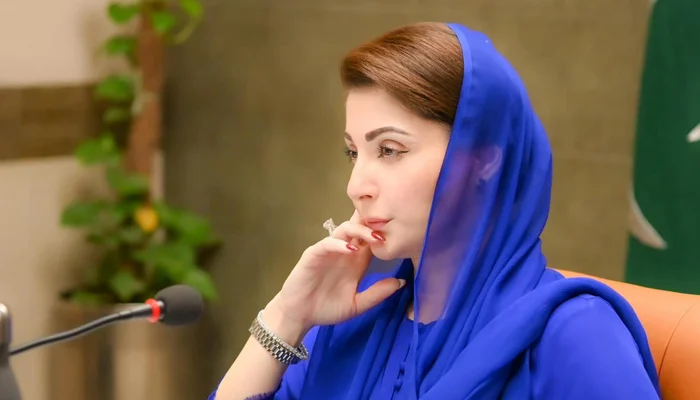
Maryam Nawaz Sharif: The Vision That Set the Direction
As Punjab’s first woman Chief Minister, Maryam Nawaz Sharif represents a shift not only in leadership—but in mindset. Her governance style blends discipline with empathy, authority with accountability.
Her focus on:
Institutional reform
Efficient public service delivery
Women-centric development
Accountability-driven governance
has created a leadership environment where competence matters more than noise. Yet vision alone cannot build nations. It needs voices that defend it, explain it, and stand firm under pressure.
That is where Maryam Aurangzeb and Uzma Bukhari emerge as defining forces.

Maryam Aurangzeb: The Voice, the Shield, the Strategist
If governance were a battlefield, Maryam Aurangzeb would be the commander holding the frontline.
More than a senior leader, she is:
The voice of government clarity
The shield against misinformation
The strategist who shapes narrative instead of reacting to it
In an era of political distortion and digital chaos, Maryam Aurangzeb has redefined what it means to be a government spokesperson. Calm under pressure, precise in language, and relentless with facts—she doesn’t merely respond; she sets the tone.
Her leadership is built on:
Policy awareness, not slogans
Facts, not fury
Consistency, not theatrics
While others chase headlines, she builds credibility—day after day, briefing after briefing. This consistency has made her one of the most reliable pillars of Punjab’s governance framework.

Uzma Bukhari: The Connector Between Politics and the People
Alongside this structure stands Uzma Bukhari, a leader known for strengthening political communication and public engagement.
Her role extends beyond commentary. She:
Reinforces the party’s political narrative
Connects leadership decisions with public understanding
Maintains presence, clarity, and confidence in political discourse
Uzma Bukhari represents the bridge between governance and grassroots, ensuring that leadership remains connected, responsive, and visible.
Fearless Women, Functional Governance
Punjab’s leadership today reflects something rare in South Asian politics: a functional, women-led governance ecosystem.
Women like:
Maryam Nawaz Sharif – setting policy and direction
Maryam Aurangzeb – defending governance with intellect and resolve
Uzma Bukhari – strengthening political communication and outreach
Together, they represent a governance model where strength is expressed through stability, not confrontation.
These women are not fighting for space.
They are owning responsibility.
Why This Leadership Moment Matters
This is not just about representation.
It’s about results.
Punjab’s administration today demonstrates:
Better coordination between policy and communication
Stronger public trust through transparent messaging
A visible shift from reactive politics to proactive governance
Much of this balance exists because leaders like Maryam Aurangzeb and Uzma Bukhari ensure that government actions are understood, defended, and communicated accurately.
In modern governance, silence creates chaos.
Clarity creates control.
Conclusion: Lionesses Who Lead, Not Perform
The lioness does not roar for attention—
she roars when it’s time to protect, to lead, to claim ground.
Maryam Nawaz Sharif provides the vision.
Maryam Aurangzeb protects and propels it.
Uzma Bukhari strengthens its political connection.
Together with their team, they are not just running Punjab—
they are redefining leadership itself.
This is not symbolic empowerment.
This is earned authority.
And Punjab is witnessing what happens when lionesses lead the nation-building mission—with courage, consistency, and conviction.
