
Social media has in recent years turned the soft life into a new lifestyle romanticism that promises a slow, opulent, stress-free existence. Everything is light and gentle and beautifully effortless: bubble baths, weekend getaways, passive income, aesthetically presented breakfasts, and “choosing peace over pressure.”
At its core, the soft life movement isn’t damaging. Originally, it was a backlash to toxic hustle culture; a reminder that people deserve balance, ease, and mental well-being. But somewhere down the line, that message got warped. What began as a call for healthier boundaries has devolved into subtle pressure to create a life that feels perfectly comfortable at all times.
Ironically, the more people chase this curated life of ease, the more anxious, dissatisfied, and disconnected they become. And there’s a psychological reason for that.
We’re Not Designed for Constant Ease
Humans are biologically wired for challenge. When we overcome obstacles, our brains grow, adapt, and become stronger.
According to a University of Pennsylvania research team, surmounting manageable difficulties builds emotional stability and resilience by way of “stress inoculation”. None of these techniques is new, and yet the combination in this instance achieves an effect different from either the Individuals or the Clue train.
When life gets too easy, we lose our resilience to deal with normal stress. Even minor inconveniences; a late email, a delayed reply, a change of plans-start to feel overwhelming. That’s why the effort to take all friction out of life sometimes serves only to heighten anxiety rather than eliminate it.
⦁ Comfort without challenge does not bring peace; it brings fragility.
⦁ The soft life is becoming an aesthetic, not a lifestyle.
⦁ The soft life, instead of being about emotional well-being, has become a performance.
Online, people present perfectly curated soft life moments; candlelit self-care routines, serene vacations, slow mornings with no responsibilities. What we don’t see are the bills, the job pressure, the family obligations, or the days when nothing feels soft at all.
Social media has created an illusion that ease is something you can achieve permanently, as long as you plan your life correctly. But real life is not permanent ease. And believing that it should be creates a constant feeling of inadequacy.
According to one study appearing in the Journal of Social and Clinical Psychology, increased exposure to idealized lifestyles online significantly increases anxiety, depression, and feelings of inferiority. The more we compare our messy lives to the curated softness of someone else, the more anxious we are about our own imperfections.
Confusing Avoidance With Peace
The biggest misconception of the soft life is equating avoidance with tranquility.
Many people start to withdraw from difficult conversations, uncomfortable emotions, work pressure, or responsibility in the name of “protecting their peace.” But psychologists warn that avoidance coping increases long term anxiety because it prevents the brain from learning how to handle challenges.

The biggest misconception of the soft life is equating avoidance with tranquility.
Many people start to withdraw from difficult conversations, uncomfortable emotions, work pressure, or responsibility in the name of “protecting their peace.” But psychologists warn that avoidance coping increases long term anxiety because it prevents the brain from learning how to handle challenges.
It does not bring peace but merely delays it and increases the pain later. Peace is not the absence of difficulty; it’s the ability to stay grounded when difficulty shows up. Ease has become a measurement of self-worth.
Social media would say, through subtle suggestion, that a “soft life” means you’re doing well: you’re successful, financially comfortable, emotionally balanced, spiritually aligned. But when ease becomes the measure of worth, struggle feels like failure.
People start to think:
⦁ “If I’m stressed, something must be wrong with me.”
⦁ “If my life isn’t peaceful, I’m not doing life right.”
⦁ “If I’m tired, maybe I’m not healing enough.”
This pressure leads to guilt for just being human. We are not robots. We can’t curate life into constant comfort. And trying to do so creates more internal stress than the discomfort we’re trying to escape.
The Economic Side No One Talks About
It also creates unrealistic expectations in terms of finances. Not everyone is in a place to afford weekly massages, constant vacations, aesthetic self-care purchases, or a reduced workload. And trying to maintain this can bring forth:
⦁ financial stress
⦁ guilt for not “living softly”
⦁ overworking just to afford a life meant to eliminate overwork
It’s a paradox. The chase for ease creates new pressures. The total number of students in normal class settings at first glance seems small compared to the 14% figure of those with special needs. Trying to purchase a soft life often leads to a harder one.
The Real Problem: We Don’t Know How to Handle Normal Life Anymore
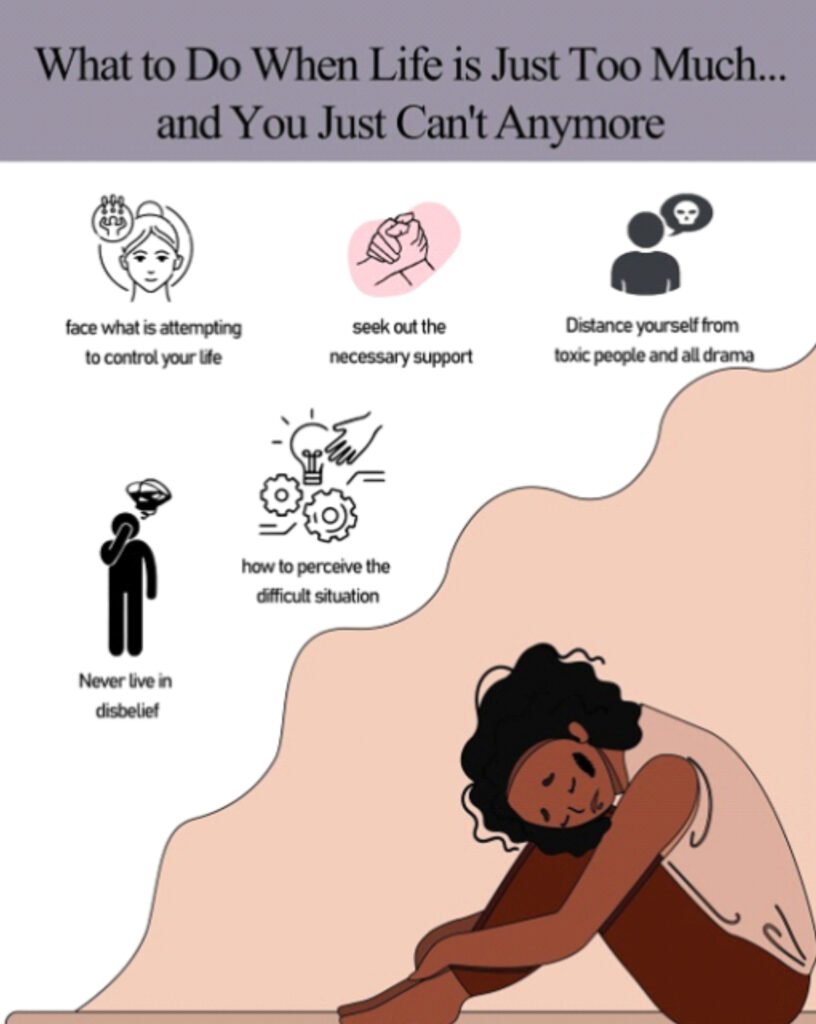
Another more subtle effect of the soft life trap is that it makes life’s normal ups and downs intolerable. But it’s normal to experience day-to-day stress. Messy emotions are normal. Conflict is normal. Hard days are normal.
We become unprepared for discomfort when we convince ourselves that life should always feel gentle. Even the everyday responsibilities of life can become anxiety provoking. It’s as if one has lived in a climatically controlled room all his life, and the moment he goes outside, the weather feels extreme.
So, what does a healthy “soft life” actually look like?
The aim shouldn’t be to eradicate any feelings of discomfort. The goal is to create a life where you can move through discomfort with strength and clarity. A healthier definition of soft life includes:
⦁ Emotional resilience rather than emotional avoidance
Allow yourself to feel everything, even the hard emotions, without judgment.
⦁ Sustainable ease, not curated luxury
Real ease comes from stability, healthy boundaries, and supportive relationships, not aesthetics.
⦁ Purposeful rest, not constant escape
Rest is meaningful when it helps re-energize you, not when it serves as an escape route from life.
⦁ Balance, not perfection
Some days will be soft; others will be chaotic. Both are part of being human.
⦁ Choosing your hard, not running from it
Life is always going to involve difficulty. It’s about choosing which difficulties correspond with your values and where you want to grow.
Final Thoughts
Softness is not the problem; escapism is Of course, there is nothing wrong with desiring a life full of comfort, peace, and gentleness. Wanting softness is deeply human. Yet, the softness that becomes an escape from responsibility, discomfort, or reality is the one creating more chaos than calm. True softness comes from strength, not from running away from the hard, but knowing you can handle it. And that kind of life isn’t Instagrammable. It’s real. And it’s yours.
