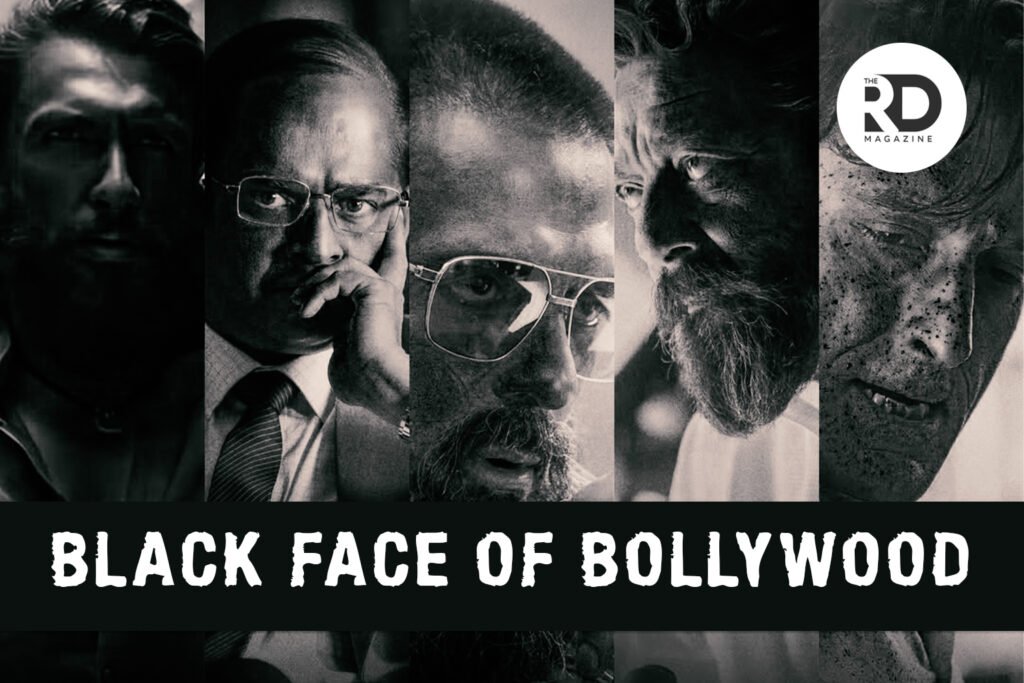

Dhurandhar Movie: How Bollywood Spreads Fake Anti-Pakistan Narratives & Boldness Beyond Limits
Bollywood’s latest release Dhurandhar has once again highlighted a familiar pattern: using cinema to portray fake, exaggerated, and negative narratives about Pakistan. Instead of focusing on factual storytelling, the film pushes a distorted image that feeds political agendas and misguides global audiences.
Fake Terror Narratives Targeting Pakistan
Like many previous Bollywood productions, Dhurandhar builds its storyline around a manufactured version of terrorism linked to Pakistan.

Characters inspired by real heroes—such as SP Chaudhary Aslam and Major Iqbal—are shown in unrealistic, villainized, or exaggerated roles. This depiction not only disrespects their legacy but also misrepresents Pakistan’s fight against terrorism, which has been based on real sacrifices and ground realities.
Cinema Used as Propaganda
Bollywood often uses high-budget action and drama to shape international perception. Dhurandhar is crafted in a way that reinforces India’s propaganda by showing Pakistan as unstable, unsafe, and terror-driven—an image far from reality.
These false portrayals create biased opinions, especially among global viewers who rely heavily on Bollywood for South Asian representation.
Crossing Limits of Boldness
Alongside the political agenda, Dhurandhar also pushes boundaries of boldness and unnecessary glamour. Instead of strengthening the narrative, these scenes feel forced, making the movie lean toward commercial shock value rather than storytelling quality.
The Real Issue
The problem isn’t just one film—it’s the consistent pattern. Bollywood repeatedly uses Pakistan as a soft target to boost drama, create villains, and spice up action plots. This results in misinformation, biased thinking, and cultural misunderstanding between both nations.
Conclusion
Dhurandhar proves once again that Bollywood is willing to sacrifice truth for drama, and integrity for propaganda. With fake terrorism angles, exaggerated characters, and over-the-top boldness, the film becomes less about art and more about agenda.