
Do you think athletes are characterized by how much they work out?
Well, when we envision athletes, we see exhausting workouts, repetitive drills, and steaming hot training sessions. But pro athletes will tell us that the secret is not how much they work out, but how well they recover. Yes! The actual advantage is in the quiet half of performance that most of us neglect.
Recovery is where the body repairs, the mind reboots, and gains actually occur. And the best part? You don’t have to be a marathon athlete or Olympic contender to steal these habits. Here’s what the pros know (and what you can steal).
Sleep: The Secret Performance Boost
Athletes treat sleep like fuel. Eight to ten hours is not uncommon, and rightfully so. LeBron James sleeps a maximum of 10 hours per night. Deep sleep heals muscles, stabilizes hormones, and cuts through mental fog. For the rest of us, even adding an extra hour of high-quality, consistent sleep can translate into sharper thinking, less pain, and more vigor in everyday life. Why? Sleep heals muscles, stabilizes hormones, and cuts through mental fog. All you need to do is forget late-night swiping and look for 7–8 hours minimum.
Nutrition as Recovery, Not Restriction
Forget crazy diets; food is medicine for recovery. Recovery nutrition is replenishment, not deprivation. Carbohydrates replenish energy reserves, protein rebuilds the muscle, and hydration underpins every cell. Athletes plan meals in advance; your version may be just a post-gym smoothie or a full-on balanced supper. And we can just shoot for balanced meals and mindful hydration to reap noticeable benefits.
Movement That Restores
Recovery isn’t about luxury; it’s about balance, which is “Rest day ≠ couch potato.” Walking, stretching, and active recovery maintain circulation and prevent stiffness. It’s not sweating; it’s healing. Even a 20-minute walk after exercise can make tomorrow easier.
Resting the Mind, Too
Athletes realize mental exhaustion hits as hard as body fatigue. Stress drains energy just as training does. Meditation, journaling, or just disconnecting from screens gives the body and mind a chance to recharge. For us, little rituals, such as evening consciousness or programmed downtime, can make recovery manageable. Perhaps your brain deserves the same consideration as athletes who view downtime as a source of energy for performance.
Beyond Gadgets: Back to Basics
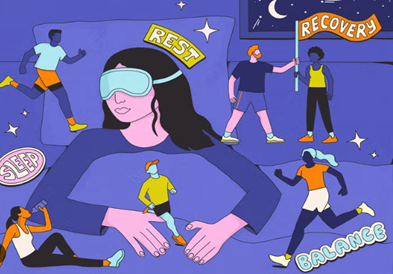
For athletes, there are massage guns, compression boots, and ice baths. Cool? Sure. Necessary? Not really. Nothing takes the place of the basics. Athletes utilize tools, but they understand that the building blocks are basic: rest, nourishment, hydration, movement, and sleep. That’s where sustainable recovery starts.
Bottom-line
Recovery is not about luxury; it’s about balance. If you treat it with the same regard as training, you’ll notice an improvement in energy, mood, and resilience.
Occasionally, the best thing you can do for progress is to take a pause.
by Alishbah Yaser
Subscribe to our newsletter!
