
For decades, we believed the brain controlled everything
But new research is turning that idea upside down: A surprising new player in the world of mental wellness is your “Gut”. Let’s step into the fascinating world where digestion and emotions intertwine: the gut-brain connection. Your stomach has more influence on your stress levels, memory, and even long-term mental health than most people realize. Given that, your morning coffee and avocado toast might actually be influencing your daily moods.
The Gut as Your “Second Brain”
The digestive system contains what scientists refer to as the enteric nervous system. Lined with over 100 million nerve cells, it’s often nicknamed the “second brain.” This system constantly communicates with the brain through the vagus nerve, a two-way highway of signals known as the gut-brain axis. Does your stomach feel uneasy before a big presentation? It’s your gut and mind having a live conversation.
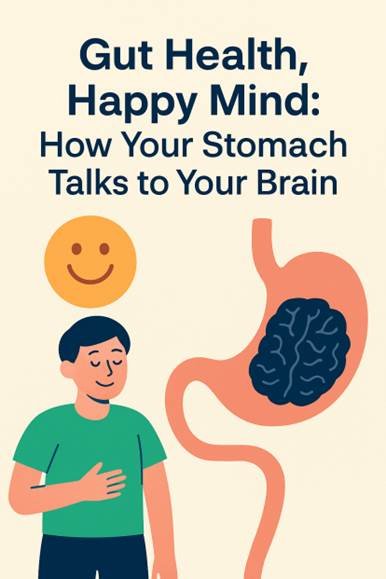
When your stomach is healthy, this communication flows smoothly, helping regulate mood and emotions. Most of the body’s serotonin, the chemical linked to happiness, is actually produced in the gut—about 90% of it. But when it’s imbalanced from poor diet, chronic stress, or antibiotics, it can trigger issues like anxiety, brain fog, or low energy.
Gut Health and Mental Wellness: How Your Stomach Shapes Your Mind
Within our digestive system, trillions of bacteria, fungi, and other microorganisms, collectively known as the microbiome, reside. Think of it as an ecosystem where good and bad are constantly interacting. A balanced microbiome supports digestion, immunity, and even mental clarity. Research shows that people with diverse gut bacteria are less likely to suffer from mental health issues. On the other hand, a disrupted microbiome (caused by processed foods, stress, or lack of sleep) has been linked to mood disorders.
If your microbiome is out of balance, serotonin production can drop, leaving you more vulnerable to anxiety and depression. In other words, “a healthy gut doesn’t just digest food; it helps digest stress too.”
What to Eat for a Happier Gut
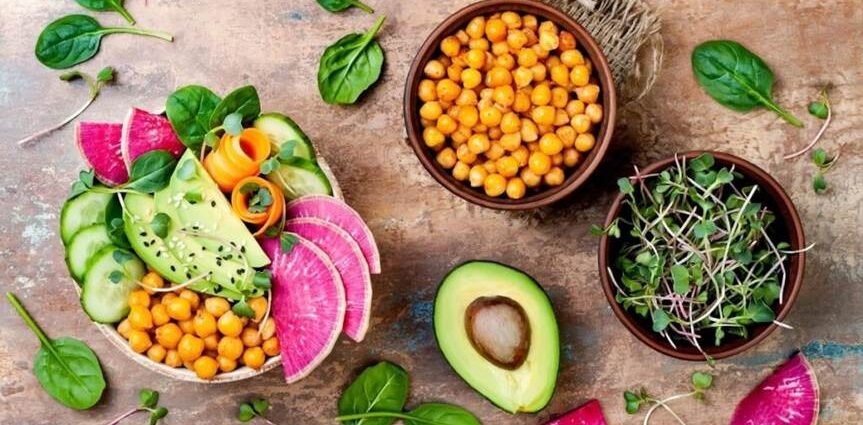
The old phrase “you are what you eat” carries a whole new layer of meaning. Food directly affects your digestive system, which in turn influences your brain. The good news? You can nourish your microbiome with the right foods. Here are a few gut-friendly heroes:
- Fermented foods: The probiotics found in yogurt, kefir, kimchi, and kombucha; these “good bacteria” keep your microbiome balanced.
- Fiber-rich foods: Fibers from foods like bananas, garlic, whole grains, beans, and oats feed those bacteria, keeping them thriving.
- Omega-3s: Found in salmon, walnuts, and chia seeds, these healthy fats reduce gut inflammation and support brain function.
- Polyphenol-rich foods: Dark chocolate, green tea, and blueberries support beneficial bacteria.
And Yes! Less sugar and processed junk food make a world of difference.
Stress, Sleep, and the Gut Cycle
Stress and poor sleep can also disrupt the balance of your gut. When you’re anxious, your body produces more Cortisol (the stress hormone), which changes the balance of stomach bacteria. Your body gets caught in a cycle: anxiety harms the gut, and an imbalanced digestive system feeds back into more anxiety.
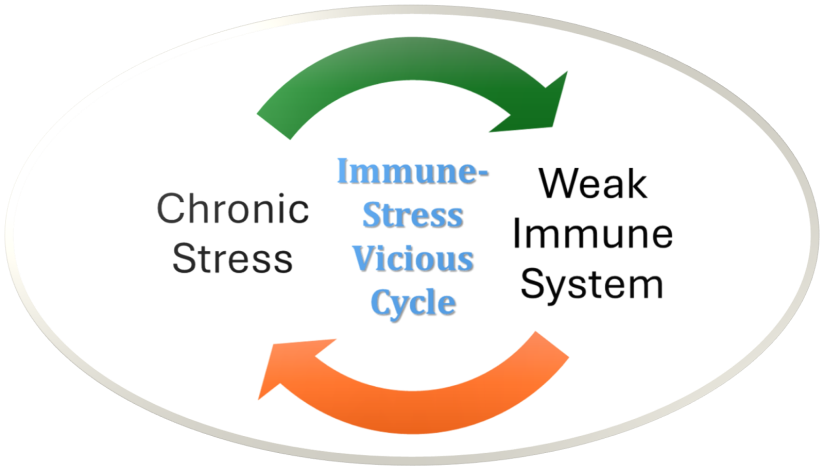
Simple habits can help break this loop: practicing mindful eating, engaging in regular exercise, meditating, and getting 7–9 hours of sleep can help restore that balance.
Why This Matters Now
Anxiety, burnout, and depression are skyrocketing worldwide; the gut-brain connection is a reminder that health is holistic. It offers an affordable, lifestyle-driven approach to supporting mental health. While caring for your stomach won’t magically solve everything, it’s a powerful yet often overlooked piece of the bigger picture.
Final Bite of Wisdom
The next Time you feel “butterflies” before a big event, or your stomach twists during stress, remember: your gut is talking. By caring for your inner ecosystem, you’re not just caring for your digestion; you’re nurturing your mind too. After all, a healthy gut is the quiet secret to a calmer, brighter you.
